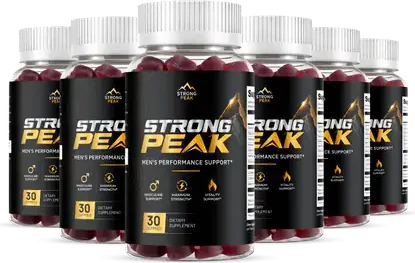
Zinc, Vitamin B3 and Vitamin B6 are the three nutrient lines among the nine ingredients on the label. Zinc is a mineral, while B3 (niacin) and B6 (pyridoxine) are water-soluble B vitamins. Labels may list each under a formal name or form, so knowing the alternate names makes the panel easy to read.
Three plain-spoken lines on the panel · Zinc: an element, not a blend · Vitamin B3: the niacin family · Vitamin B6: pyridoxine and its relatives · A three-step method for any nutrient line · Putting it back into your routine
- Zinc is a mineral; B3 and B6 are B vitamins.
- Vitamin B3 may appear as niacin; Vitamin B6 as pyridoxine.
- Labels often show the specific form after the nutrient name.
- This guide describes what these nutrients are, with no effect claims.
Three plain-spoken lines on the panel
After the amino acids and plant extracts, the Strong Peak label closes out its nine ingredients with three familiar names: Zinc, Vitamin B3 and Vitamin B6. These are the easiest lines to read because they are nutrients most shoppers have seen on a multivitamin or a cereal box.
Even so, a few labeling habits are worth knowing. This guide explains what each one is and how it tends to be written. It does not say what any of them does, and brand statements about the formula are stated by the brand.
A little vocabulary goes a long way here. Once you know that niacin and B3 are neighbors, and that pyridoxine and B6 are too, the panel stops feeling like a code and starts reading like a short, plain list.
Zinc: an element, not a blend
Zinc is a chemical element, a mineral that appears in the diet through foods such as oysters, beef, pumpkin seeds, chickpeas and cashews. Because a pure metal is not what goes into a gummy, labels usually name it together with a partner molecule, such as zinc citrate, gluconate or oxide.
That partner is called the form. It is a normal feature of mineral labeling, and the Strong Peak panel simply lists Zinc. For a neutral overview of the mineral and the foods that contain it, the NIH Office of Dietary Supplements fact sheets are a dependable place to read.
Also keep in mind that minerals are written in milligrams on most panels, and the percent of Daily Value column, when shown, is a reference figure the label uses to put an amount in context.
Ready to start your routine?
Strong Peak: a once-daily gummy, one a day at the same time, with a 60-day money-back guarantee.
Order Strong Peak NowVitamin B3: the niacin family
Vitamin B3 is a water-soluble vitamin that goes by more than one name. Niacin is the common name, and the family also includes niacinamide, sometimes written nicotinamide. When a label says Vitamin B3, it is using the number-based naming system; when it says niacin, it is using the older common name for the same family.
It turns up in foods such as chicken, tuna, peanuts and fortified cereals. You may see the amount on a panel described in niacin equivalents, a unit that accounts for the different forms. Strong Peak lists Vitamin B3 and, as with every ingredient here, individual amounts are not stated in this guide.
Water-soluble vitamins are the ones that dissolve in water, which is a classification used by nutrition references rather than a claim about any product.
Vitamin B6: pyridoxine and its relatives
Vitamin B6 is another water-soluble B vitamin, and the label name covers a small group of related compounds. The one most often used in supplements is pyridoxine, usually written pyridoxine hydrochloride when the full form is shown.
Foods that naturally contain it include chickpeas, potatoes, bananas, poultry and fish. If you enjoy checking foods yourself, the USDA FoodData Central database lets you look up nutrient values for thousands of items.
Many cooks find it fun to look up a few of their staple foods and see which of these names appear. It makes the label feel far less foreign.
A three-step method for any nutrient line
You can read nearly any vitamin or mineral entry with the same short routine:
- Find the common name, then check whether the label adds a form after it
- Look at the unit used, such as milligrams, micrograms or equivalents
- Read the percent column only if the brand supplies one
Putting it back into your routine
Nutrient lines are the most familiar part of the label, and they sit beside the amino acids and extracts as part of one formula. You can see all nine ingredients together on the formula page and learn how the brand describes the approach in how Strong Peak works.
The directions are one gummy daily, ideally at the same time each day, and a bottle holds 30 gummies. When you are ready to plan your supply, the pricing page lists the 2, 3 and 6 bottle packs, each with a 60-day money-back guarantee counted from the purchase date.